After arriving in Costa Rica having 13 hours on the plane and a stop in Santo Domingo behind, I had two relaxing days in San Pablo de Heredia (which is the place where I mainly stood for the time I was in Costa Rica) before I jumped into my first Costa Rican adventure.
Starting on Thursday morning I went from the area of Costa Rica’s capital city, San José, to my destination, the peninsula Tortuguero which is located in Costa Rica’s northern Caribbean coast. Tortuguero has astonishing rivers, lakes and wetlands that shelter a lush jungle of primary forests and exotic plants. It is a tropical haven for thousands of species with its wild and mystical sea.
But till I should arrive on Tortuguero, it took me a two hour bus ride and an one hour boat trip.
The only way to be able to visit Tortuguero is by plane or boat and there are no cars on the peninsula. So everyone who wants to go there has to take a water taxi or a flight.
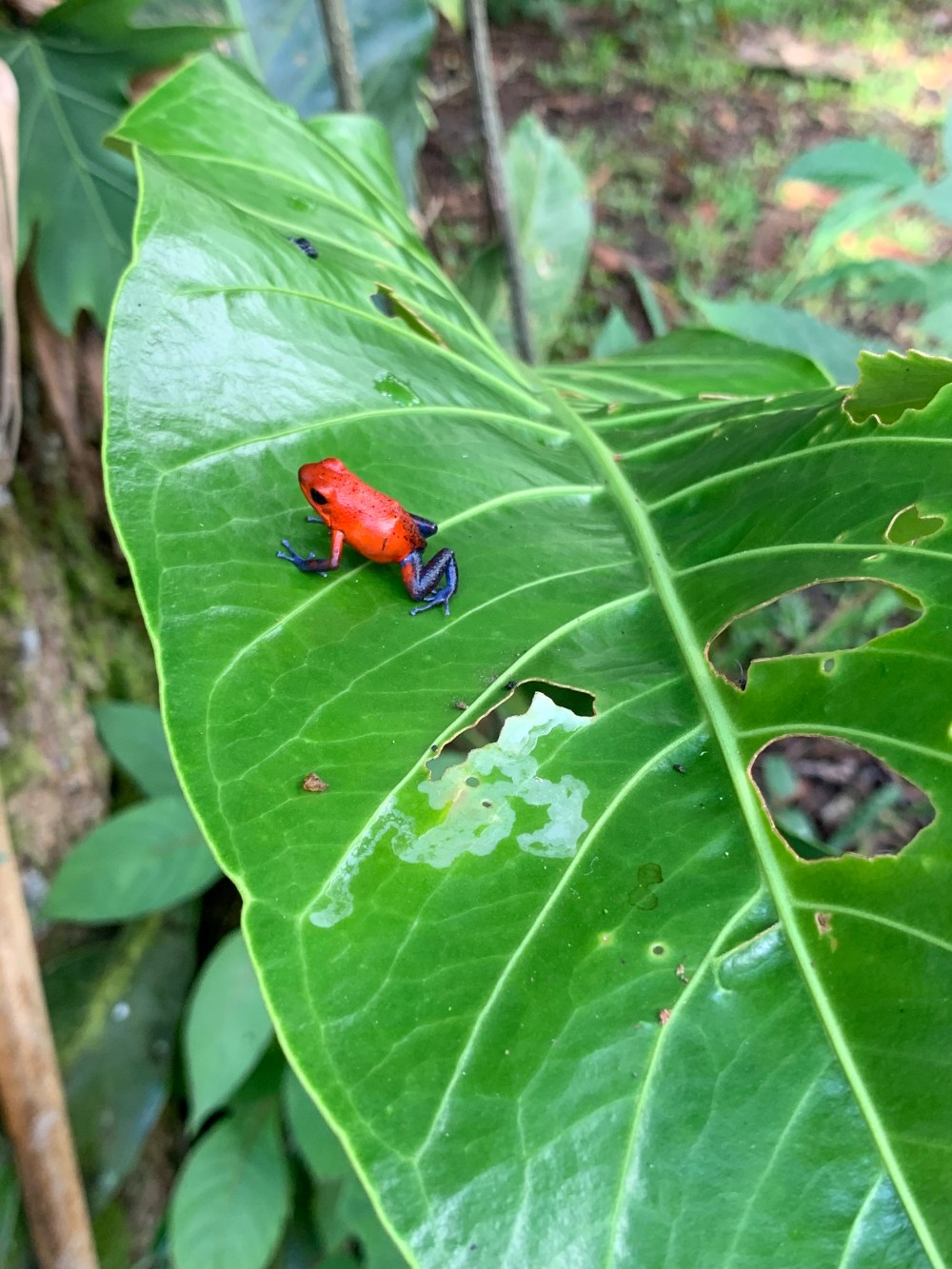
At the breakfast stop, I could already see a sloth in the trees and a little frog which is called Blue Jeans because he has blue legs while the rest of his body is red.
I was very lucky to be able to join a German travelling group on Tortuguero. These lovely people have already been on tour for a week together but they let me be part of their “travelling family” very quickly and we enjoyed our time on Tortuguero very much.
After many hours of travelling we finally arrived in our bungalows which were surrounded by tropical forest.
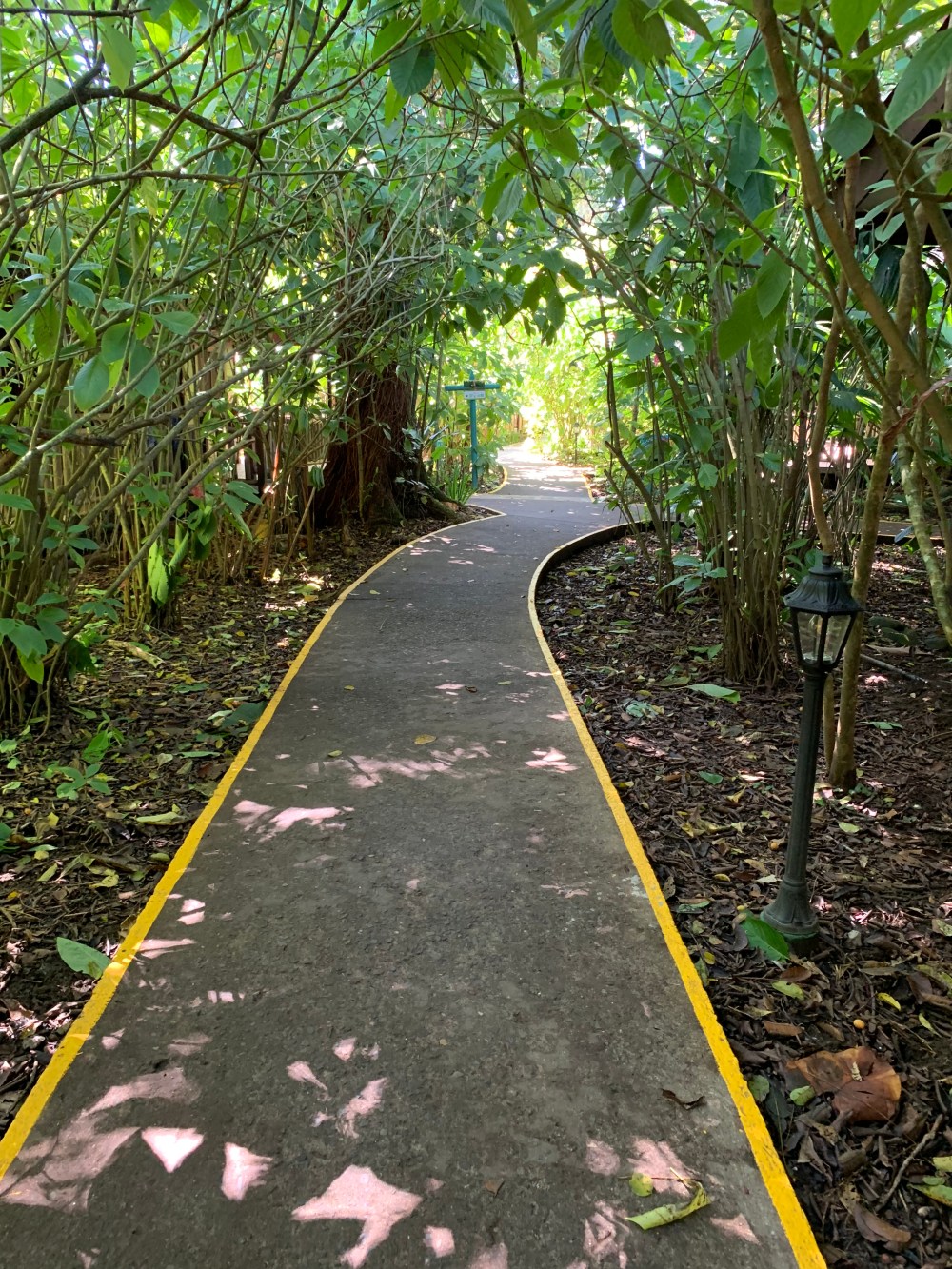
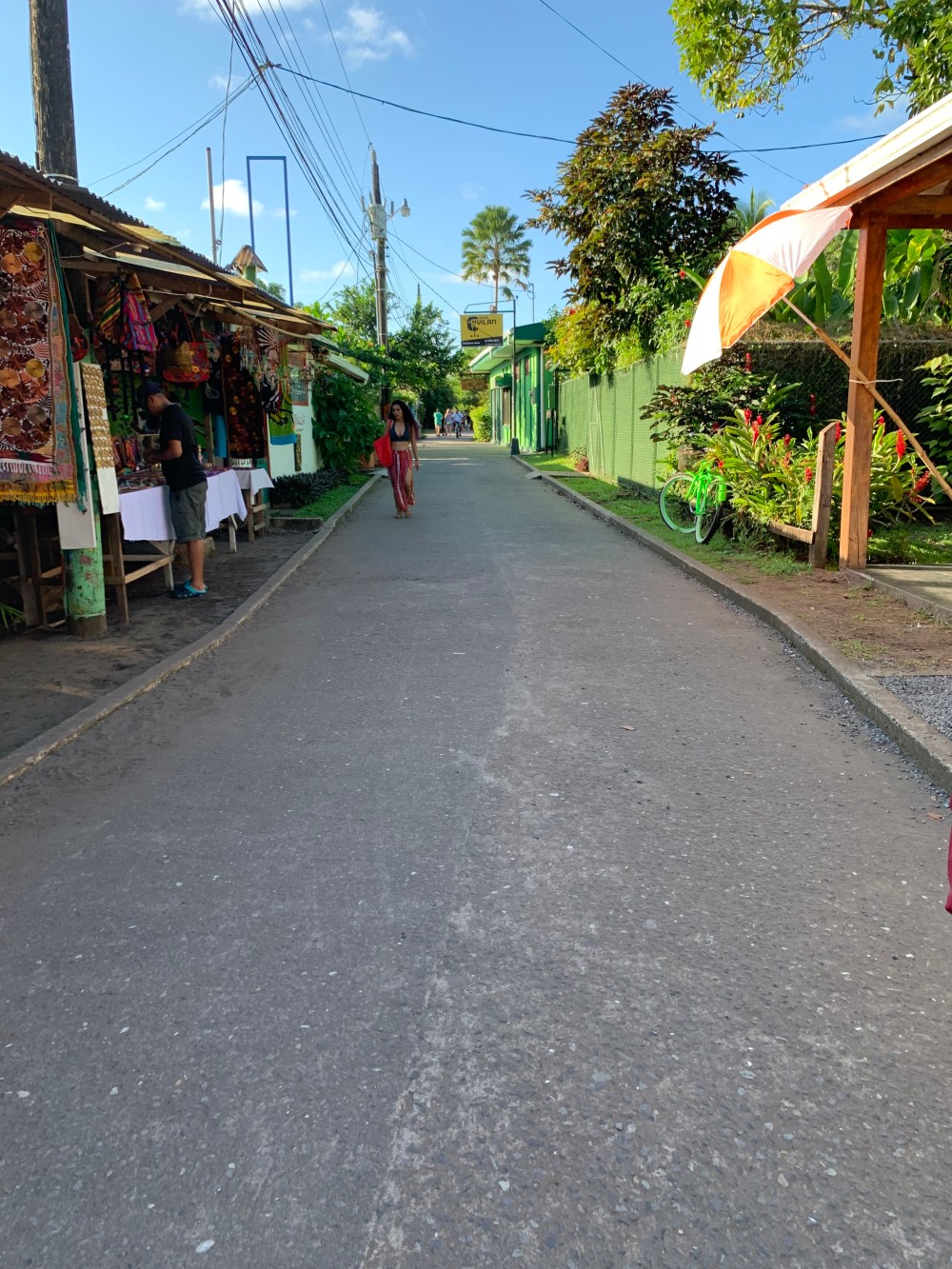
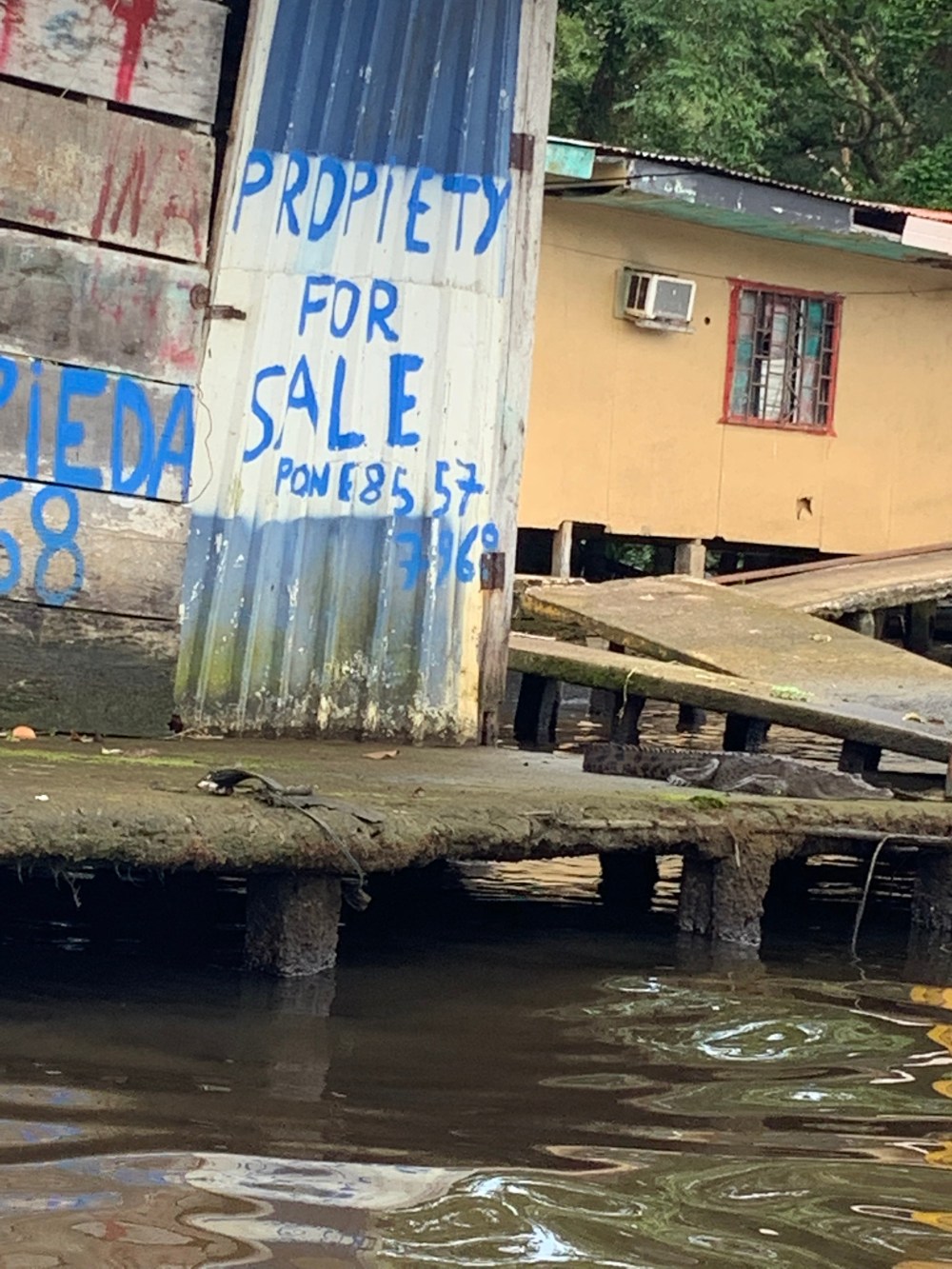
Even though the place we would call “home” for the next few days was nice and comfortable, there was not too much time to waste on relaxing because we started the first tour in the afternoon already. With a water taxi we went to the village of Tortuguero where you could see the local citizen and some nice places to enjoy the beautiful water site of Tortuguero.
Beside the local school with its cheering pupils, we could also see some tropical animals and plants and were able to be on the Caribbean beach for the first time.
The next trip on our plan was a very early boat tour in the next morning. But most of us were awake early enough anyway because the howler monkeys started to live up to their name at 5 o’clock in the morning.
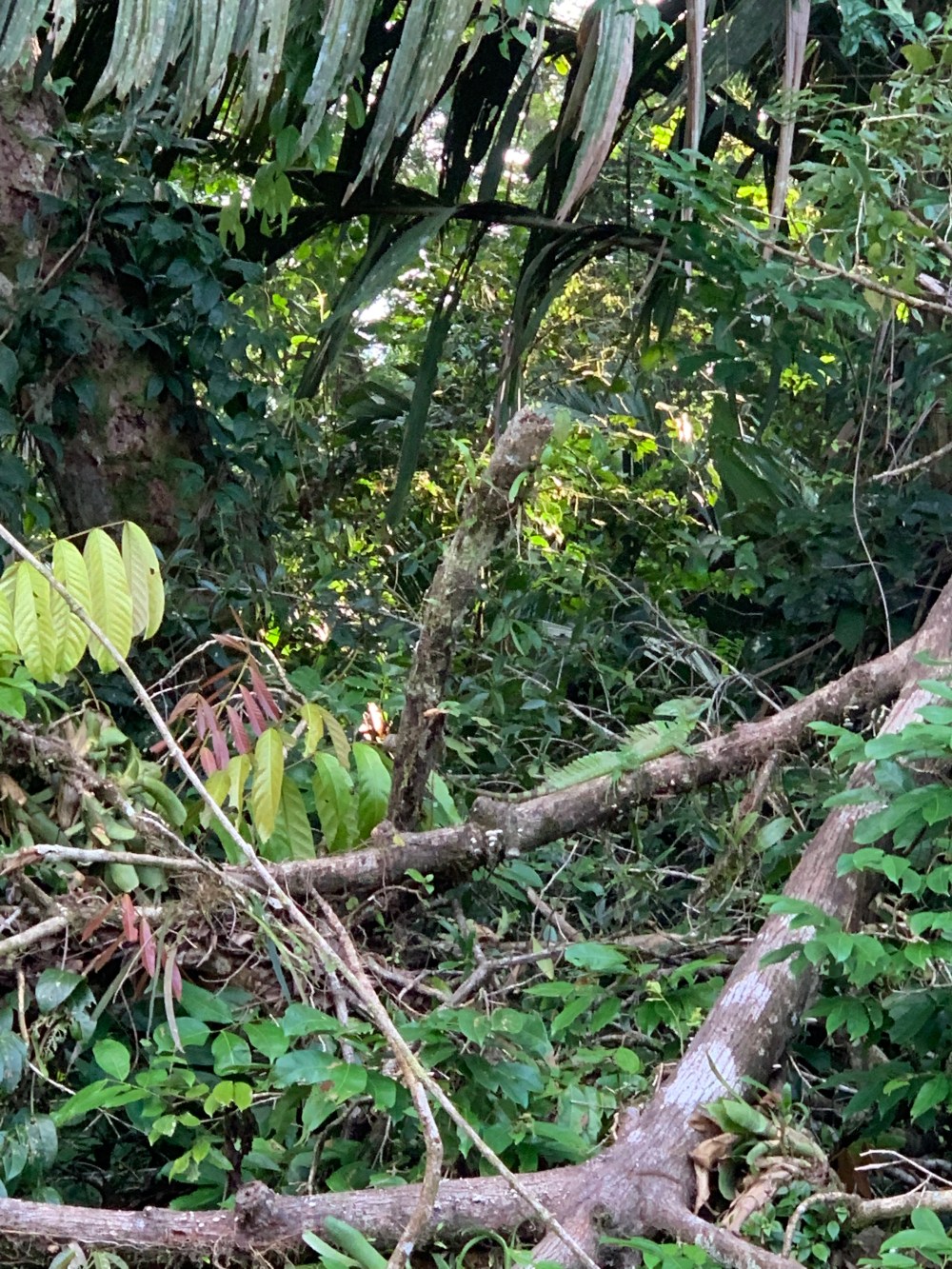
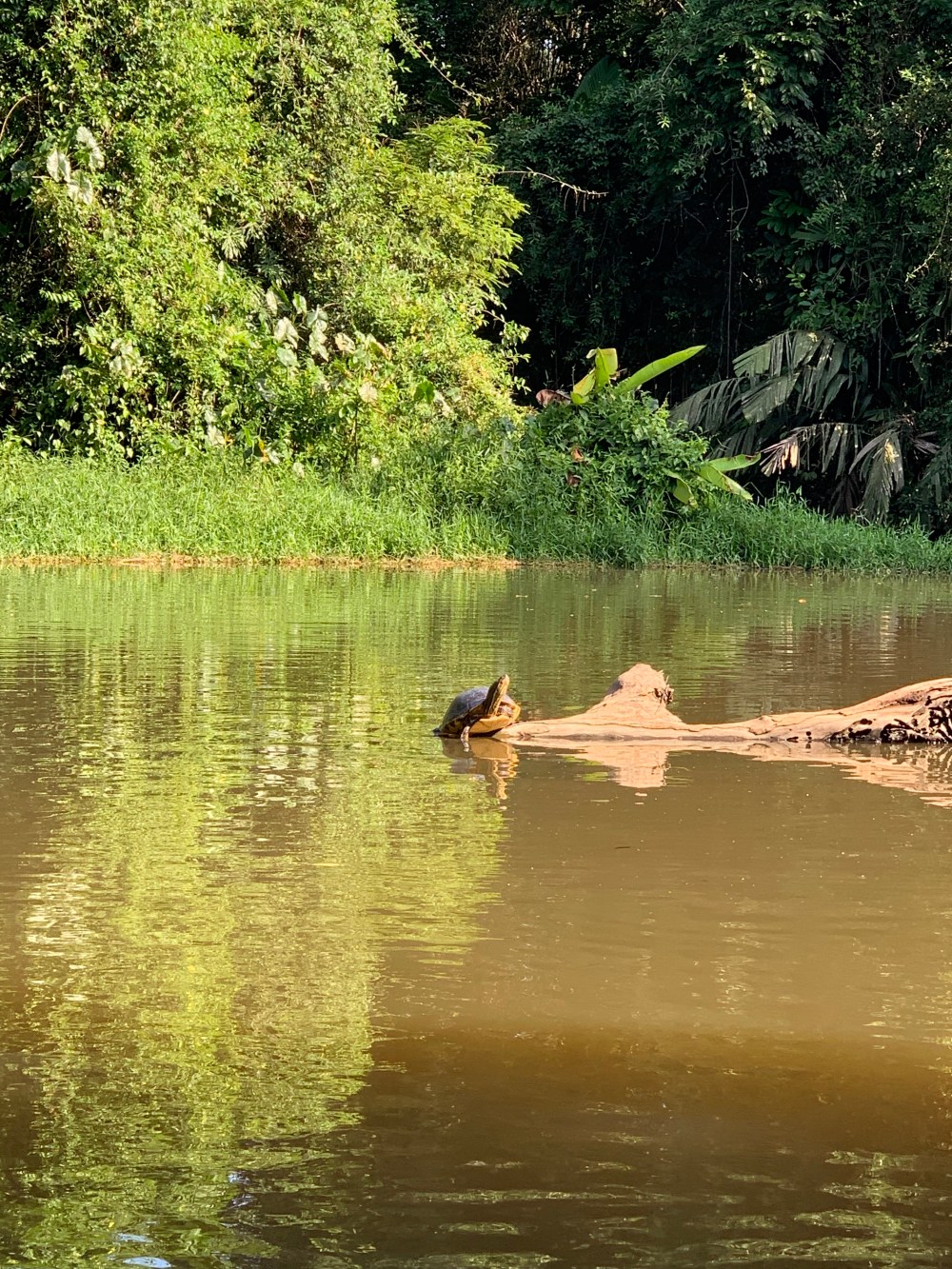
We went out on the canal to look out for tropical animals and (bad joke alert) other early birds like us. And we were quite successful.
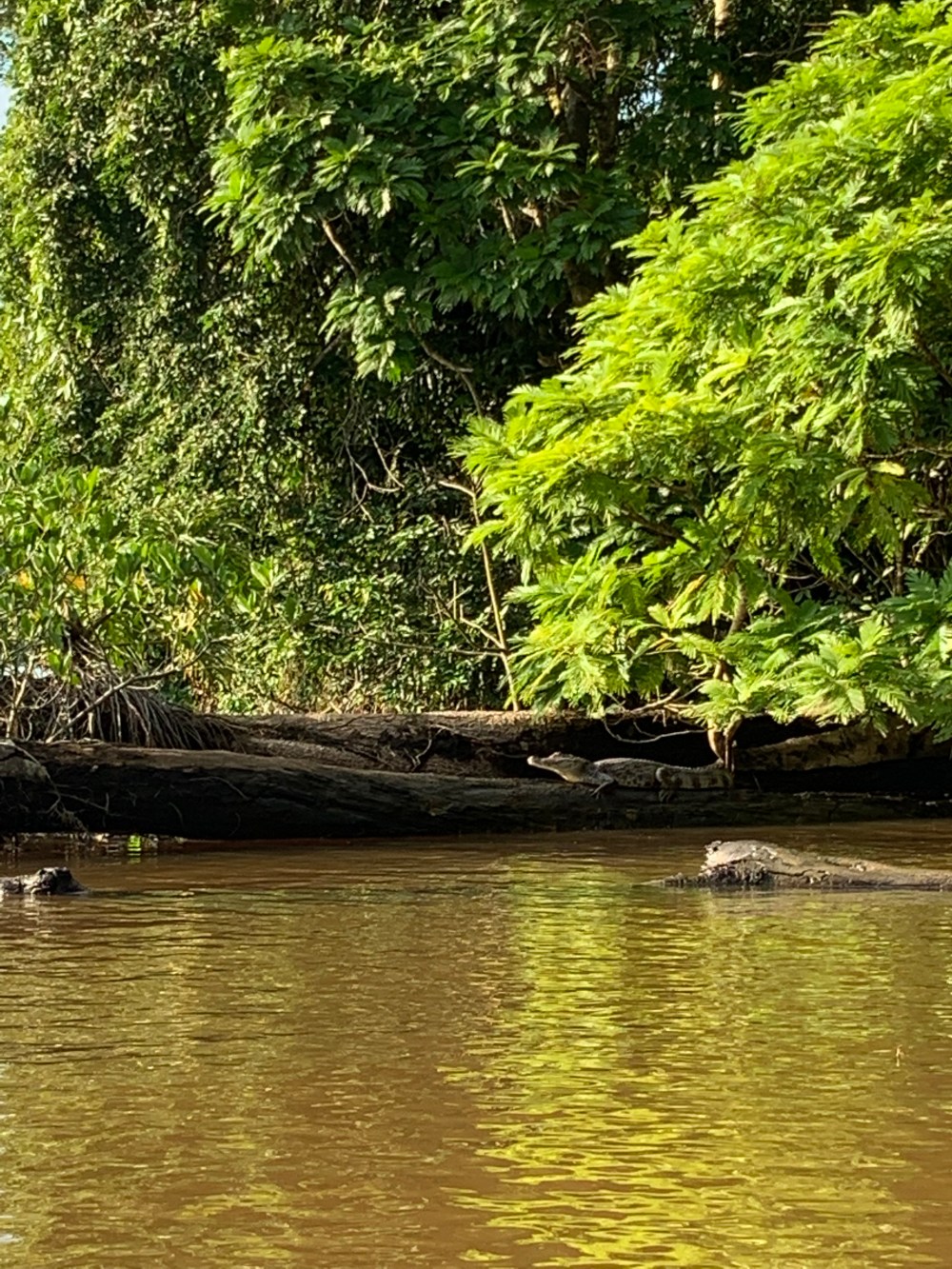
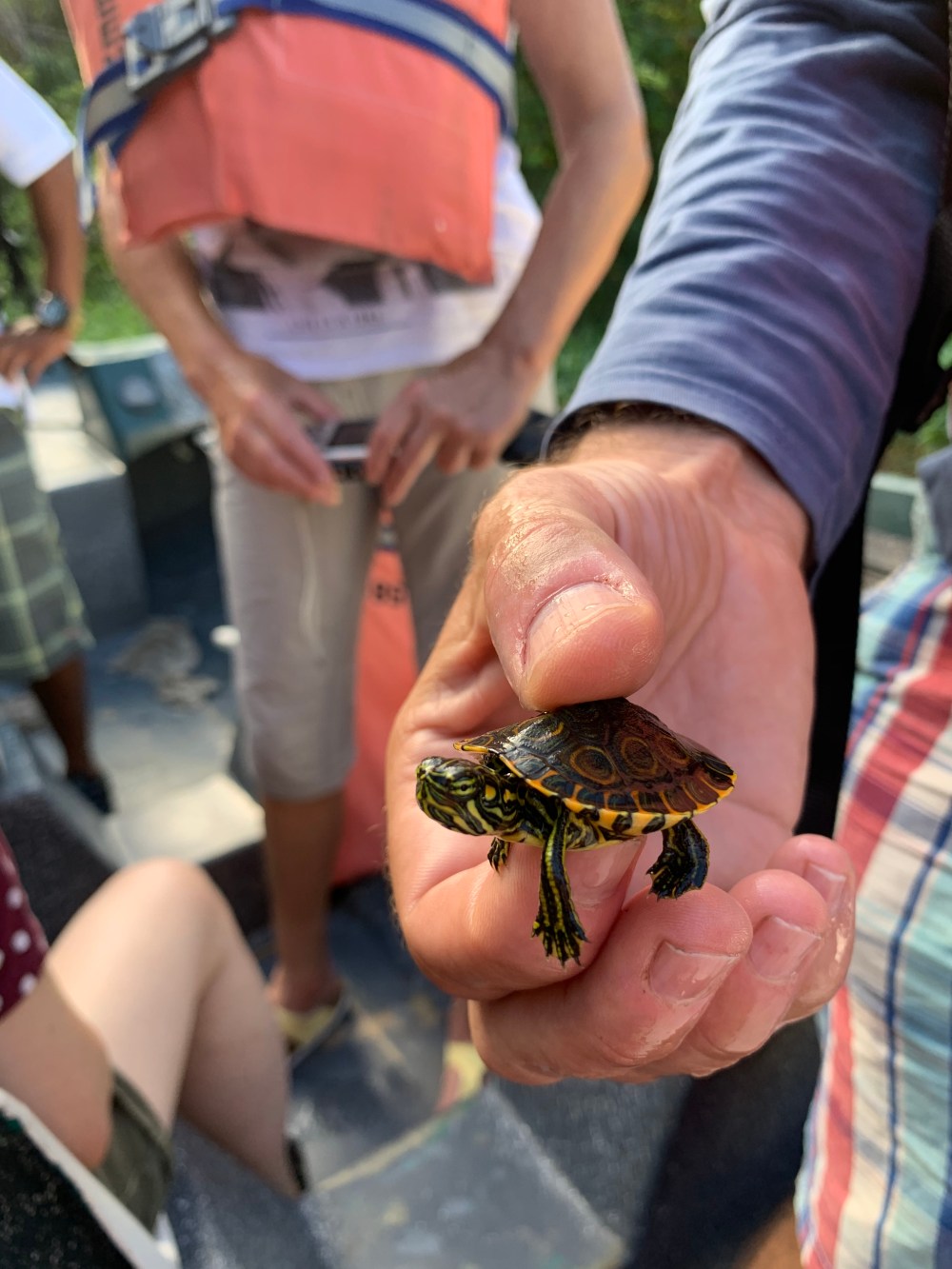
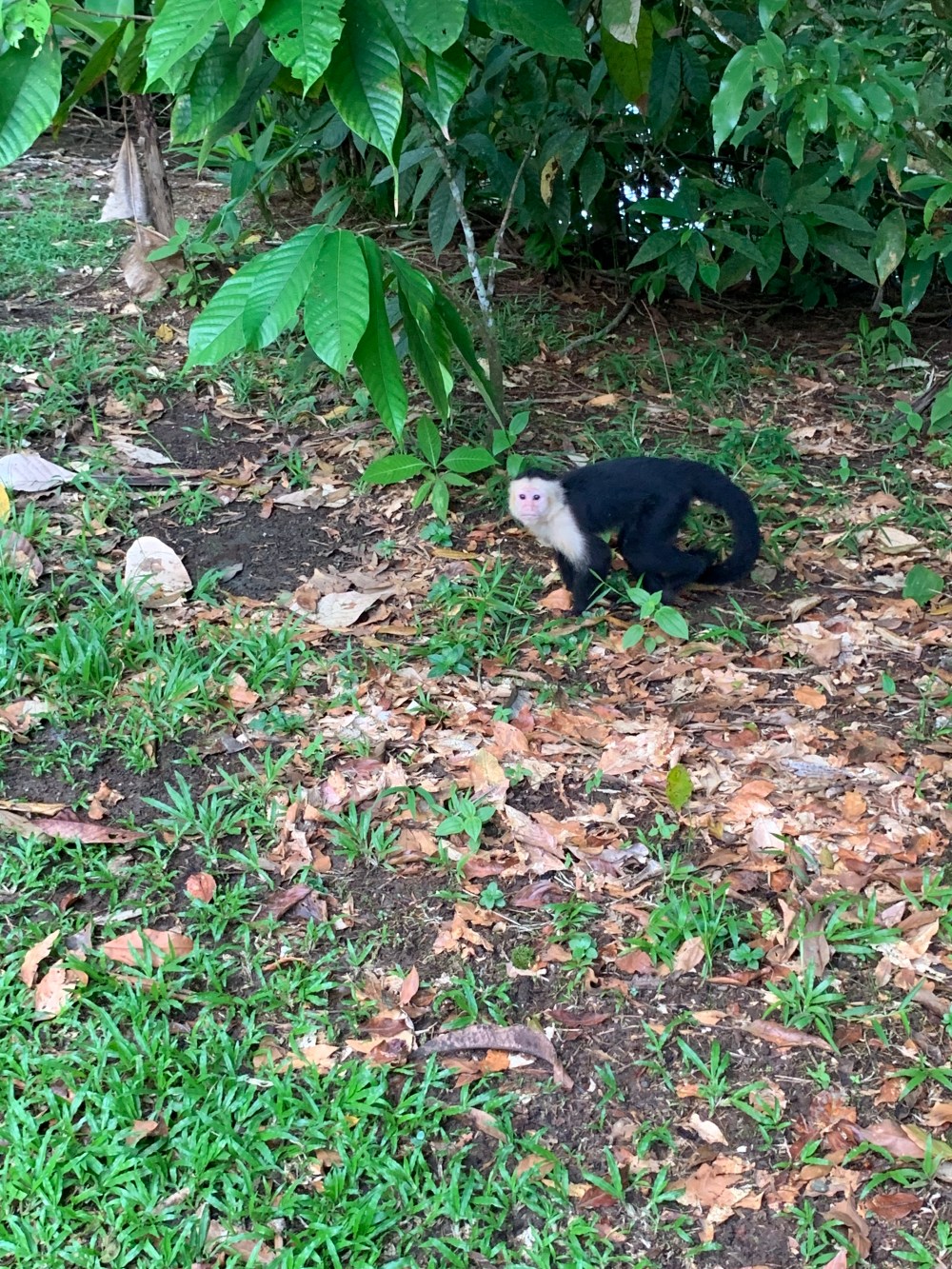
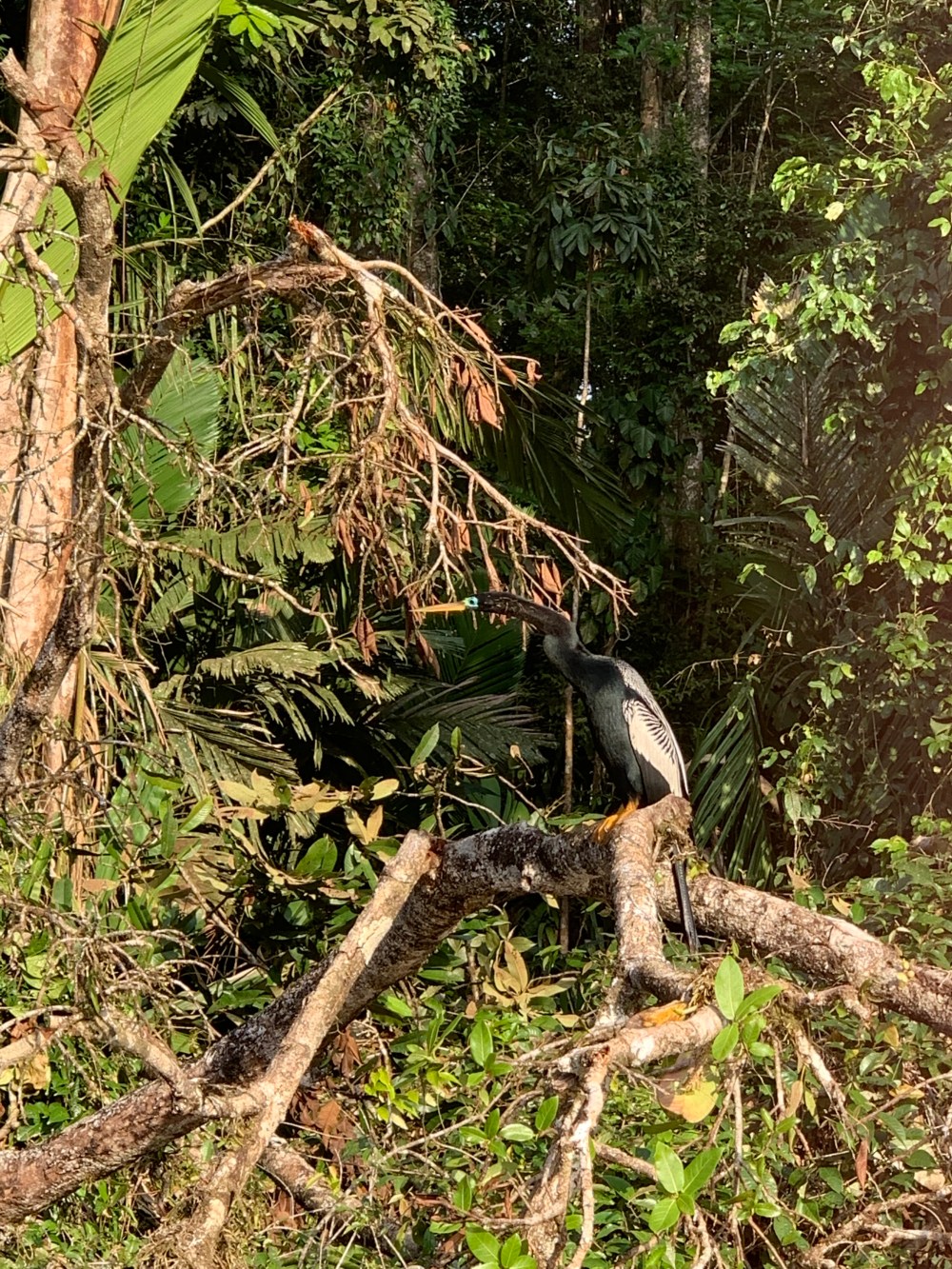

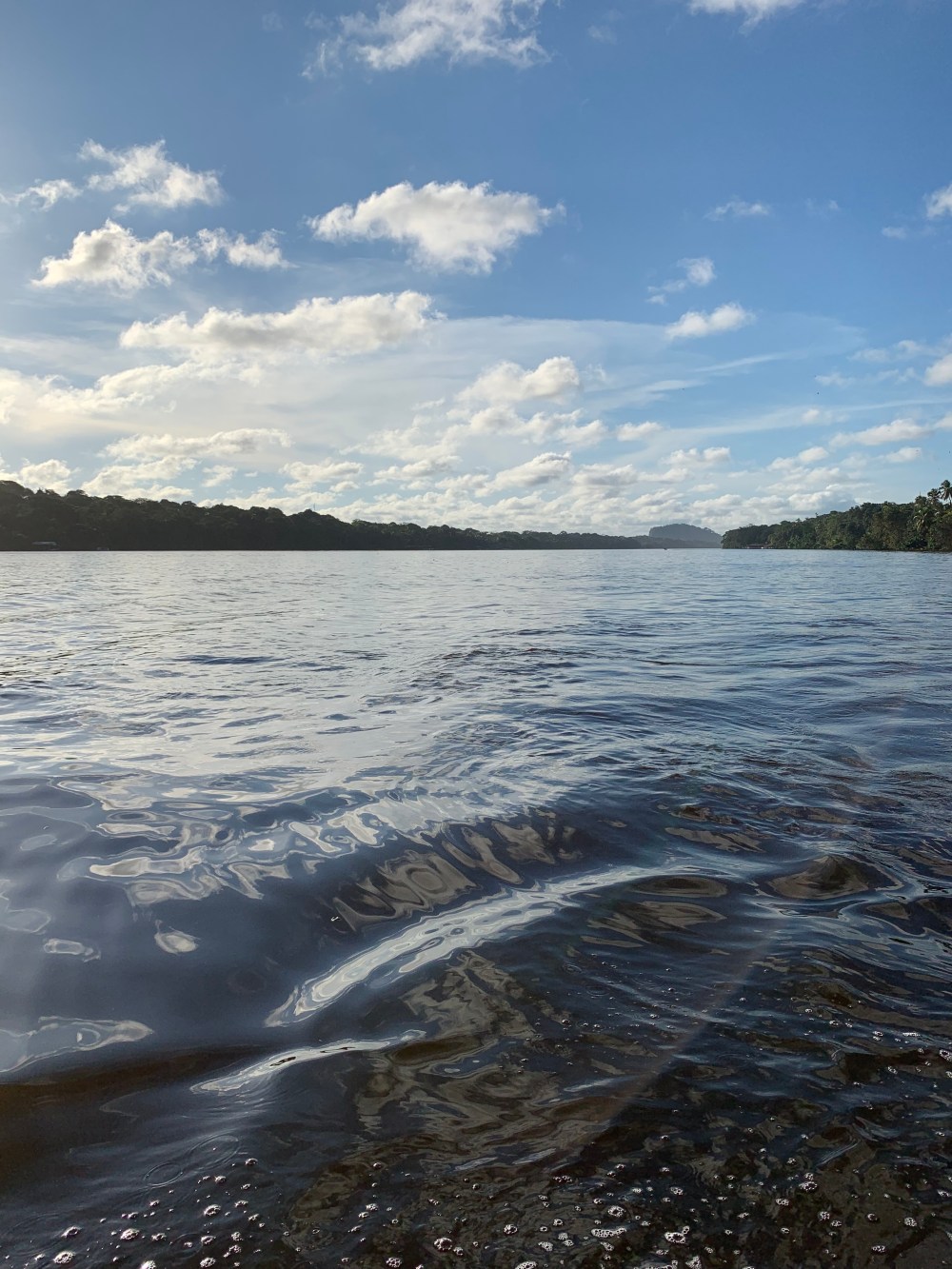
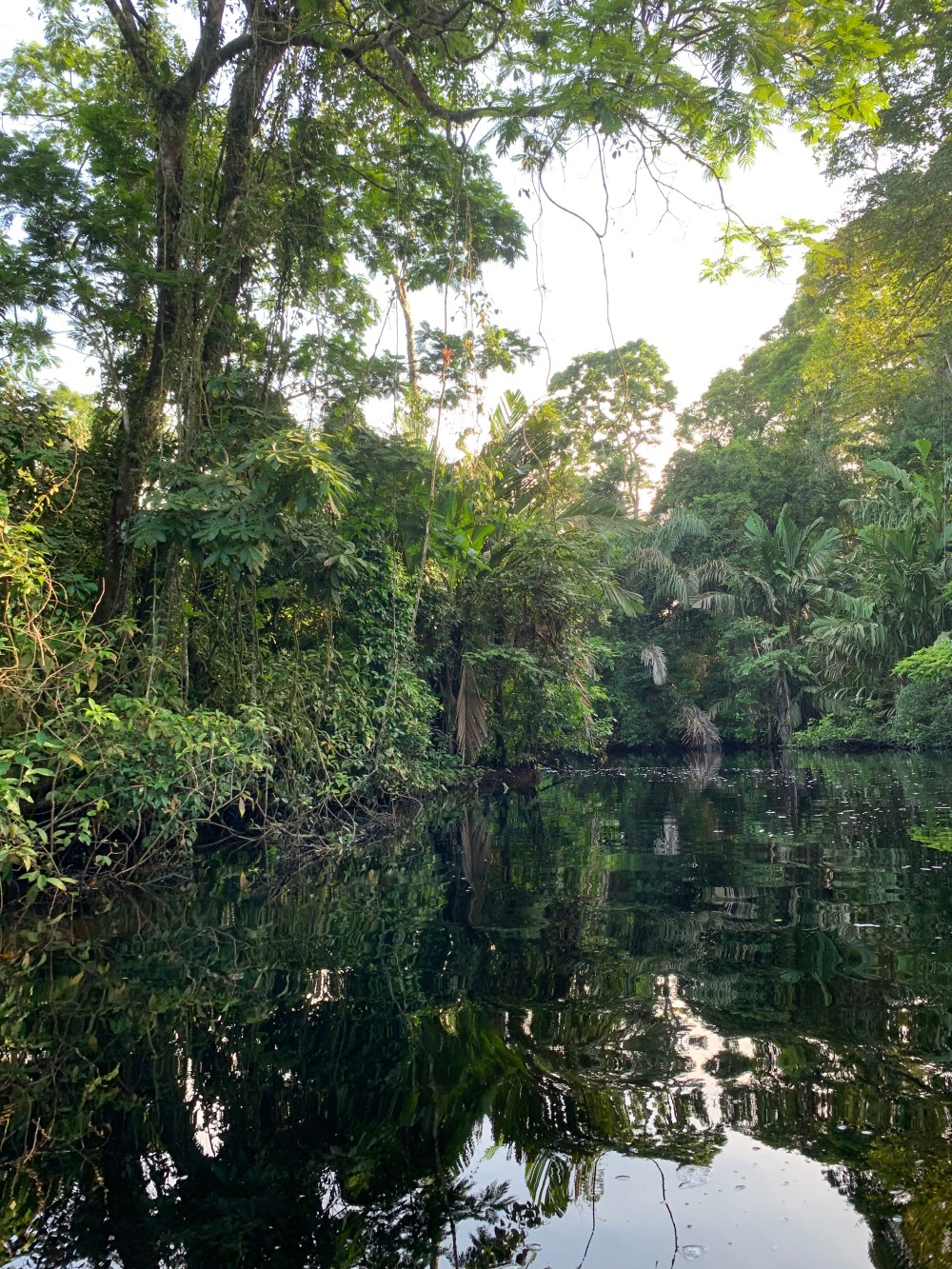
Driving on the canal we reached an area where the water was nearly black.
It felt strange and fascinating at the same time to drive on a liquid you cannot see through.
The black colour comes from a substance that is called Tannin. It is found in palm leaves for example. So the leaves hanging into the water cause the black colour of it.
Beside another boat tour in the afternoon where we could see lots of animals again, we went into the National Park of Tortuguero by foot as well.
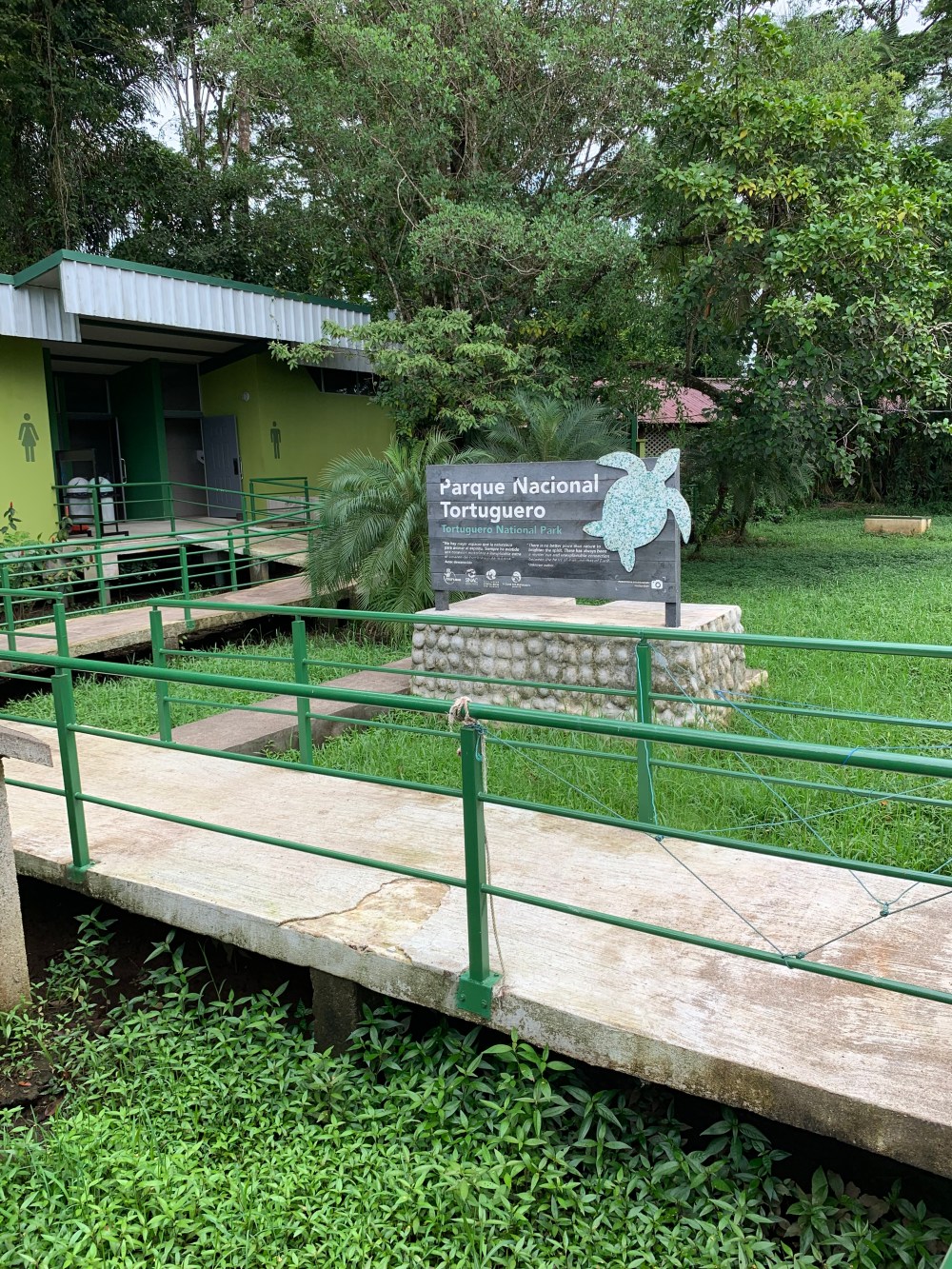
The National Park hosts about 400 bird species which is half of the total number found in Costa Rica. It is refuge for over 100 species of mammals, 50 fresh water fish species and 2 species of sea turtles.
As a group we could explore the primary forest individually. The humid air in the forest creates a perfect habitat for tropical animals and of course…mosquitos. (I don‘t know how much of the protection spray I put on but all I know is that it wasn‘t enough.)
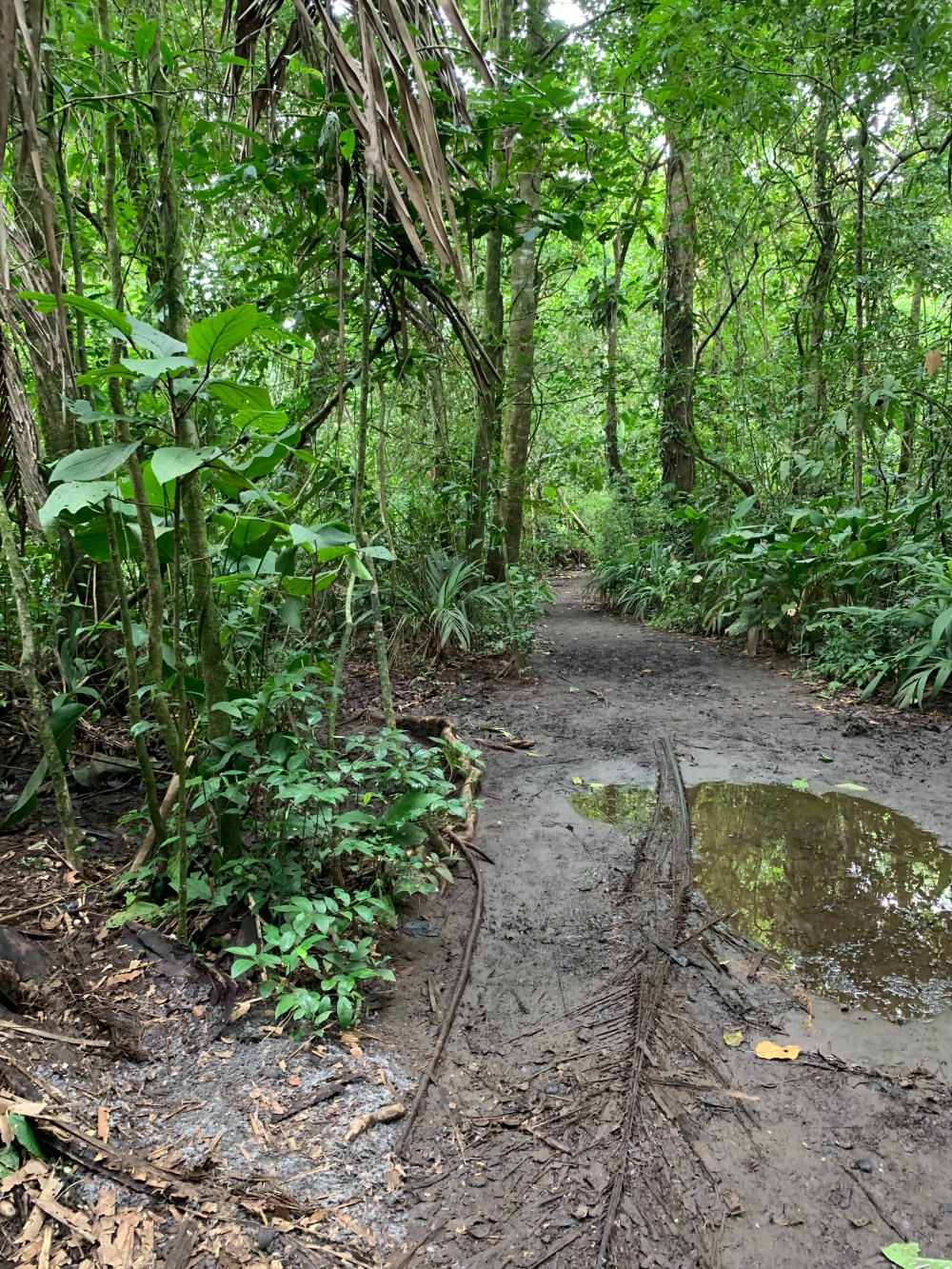
Following the narrow path we could see monkeys, lizards, spiders, snakes, lots of insects, birds and crabs.

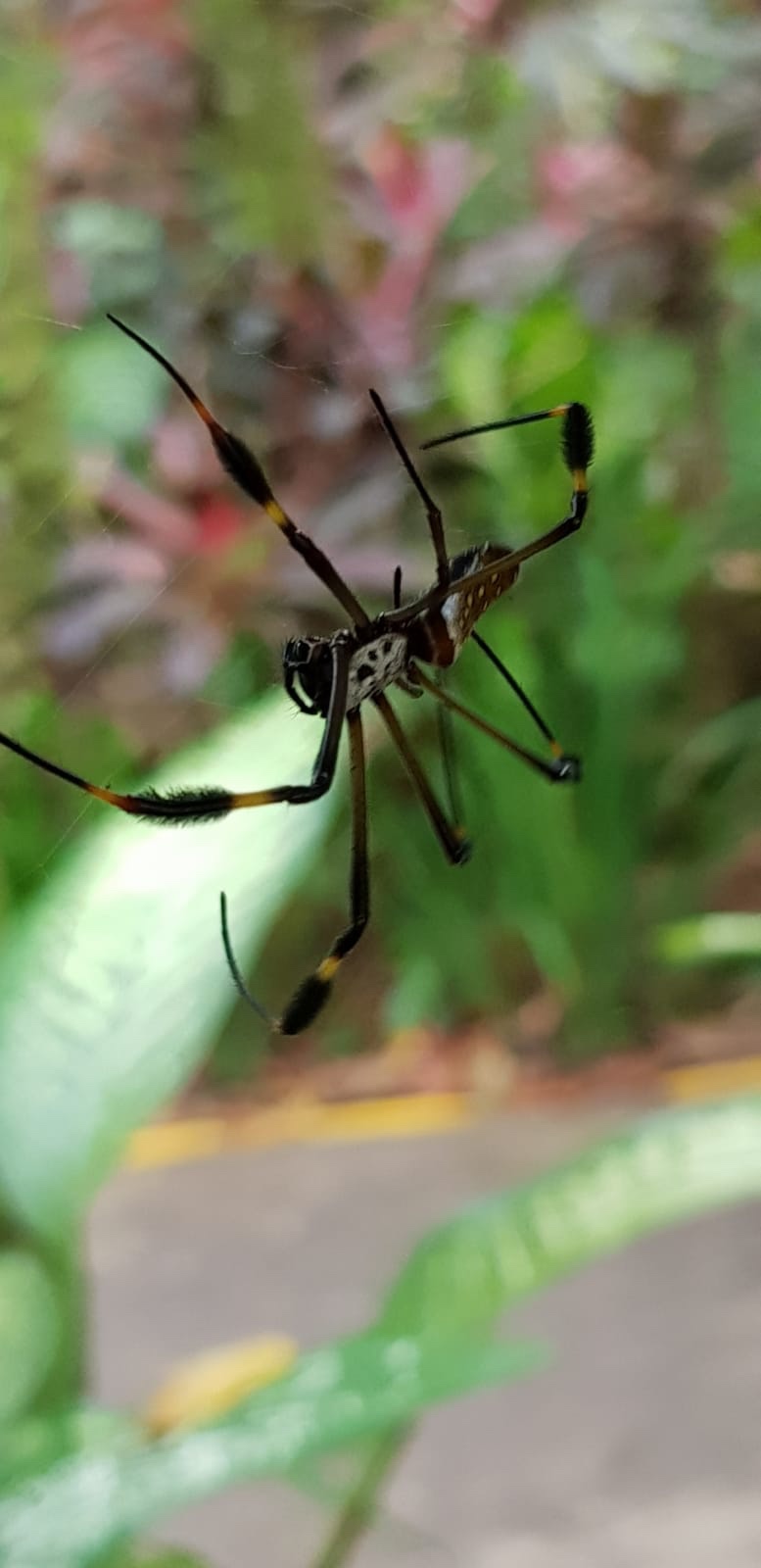
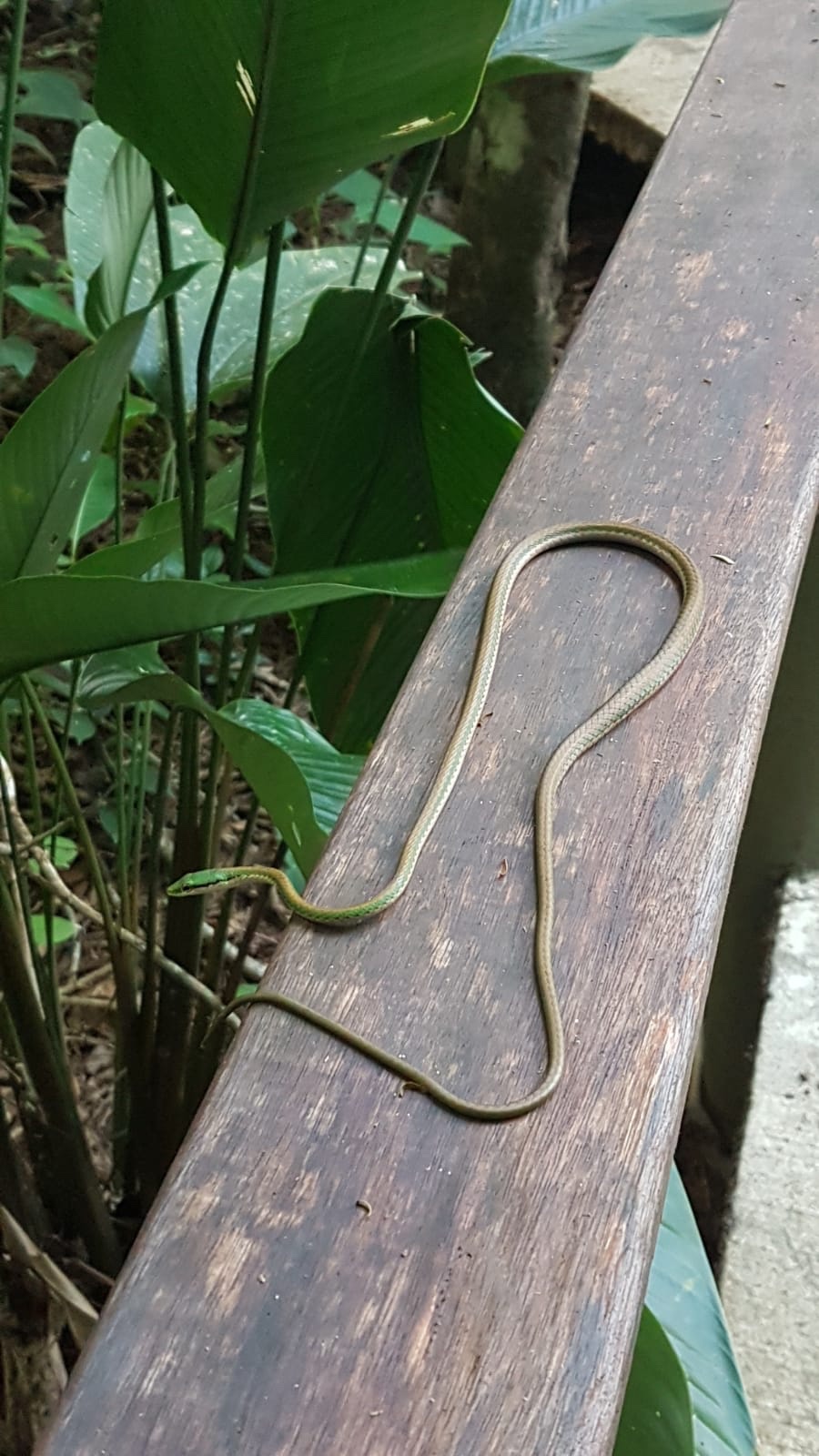
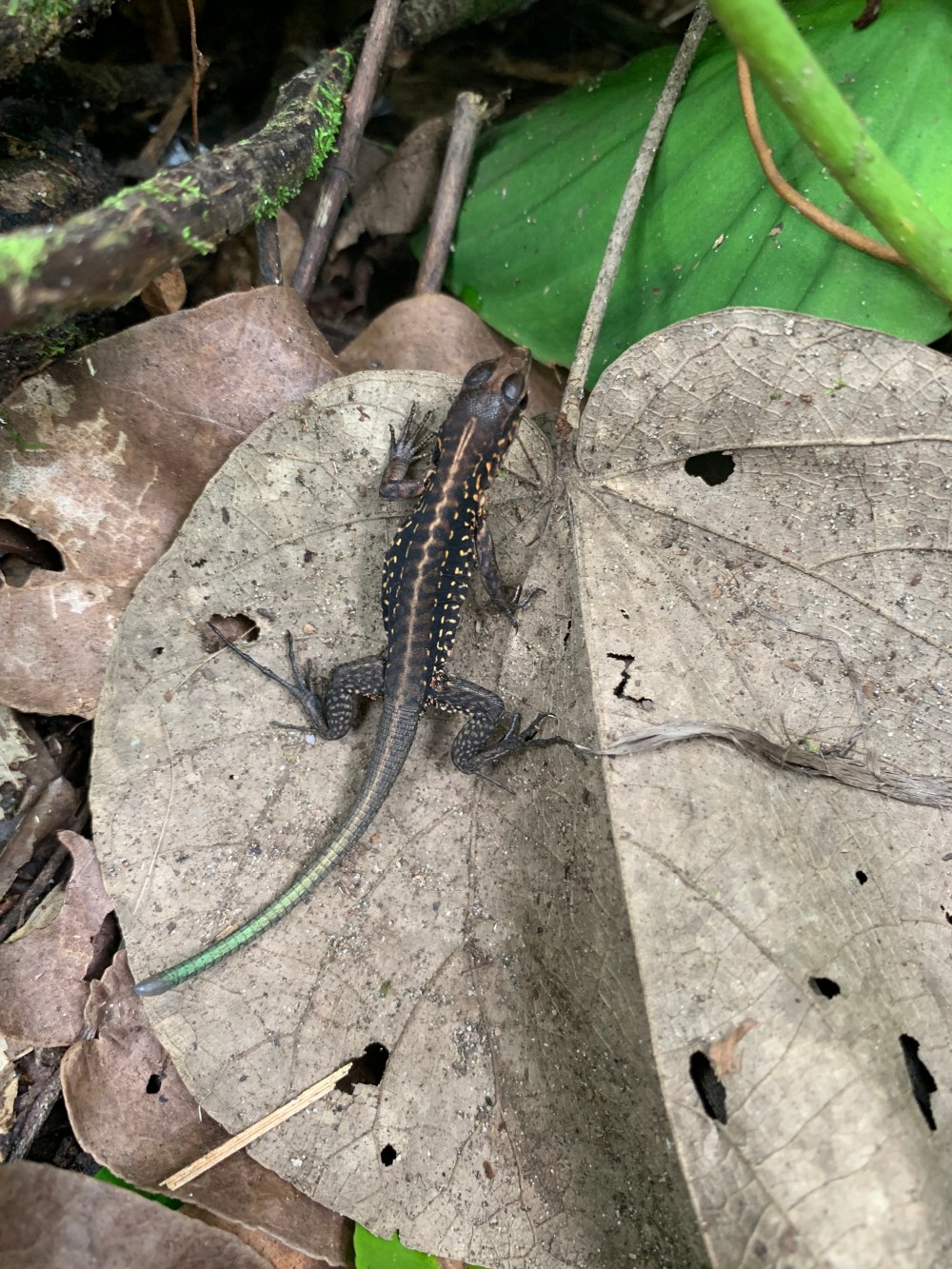
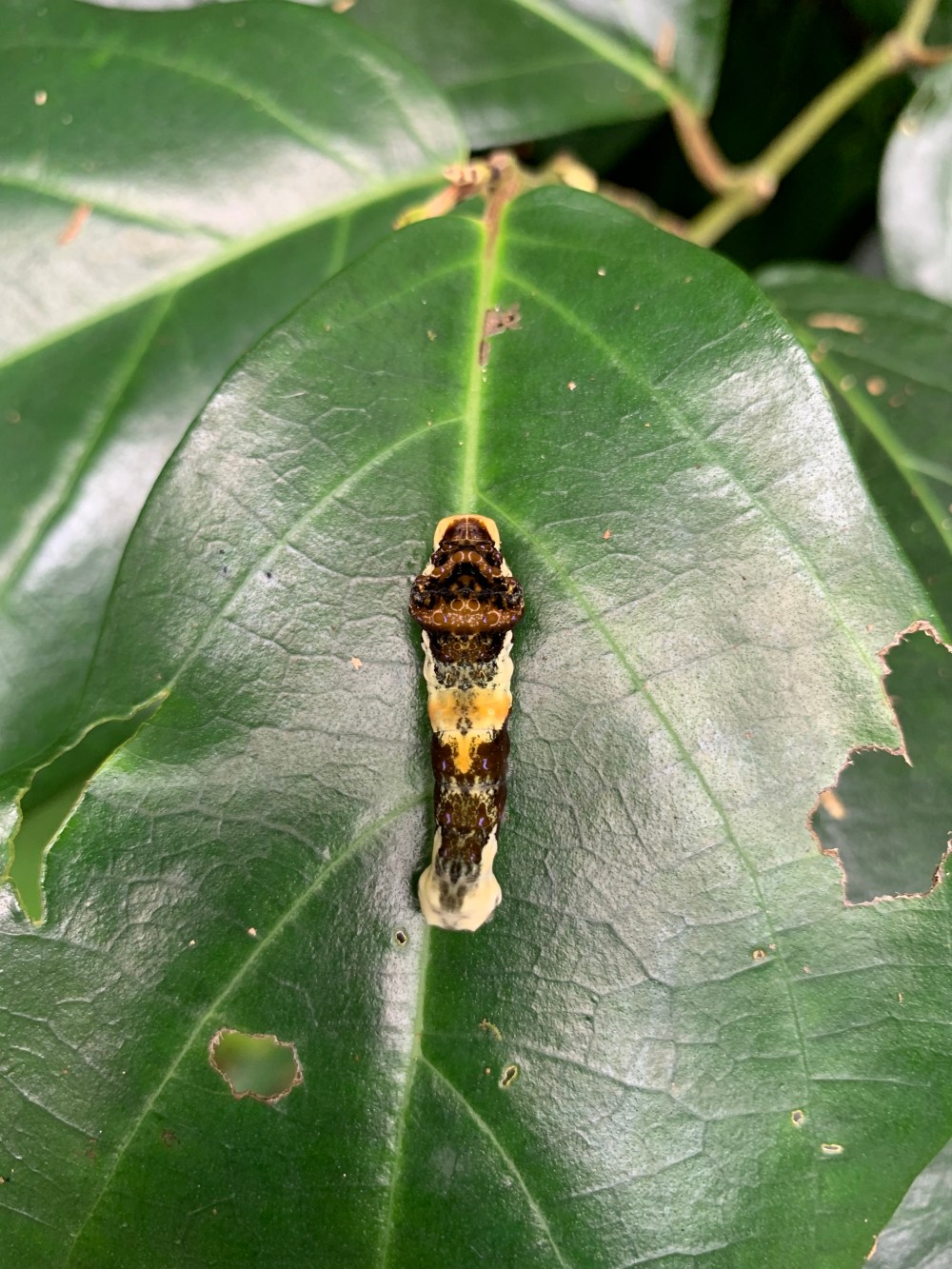
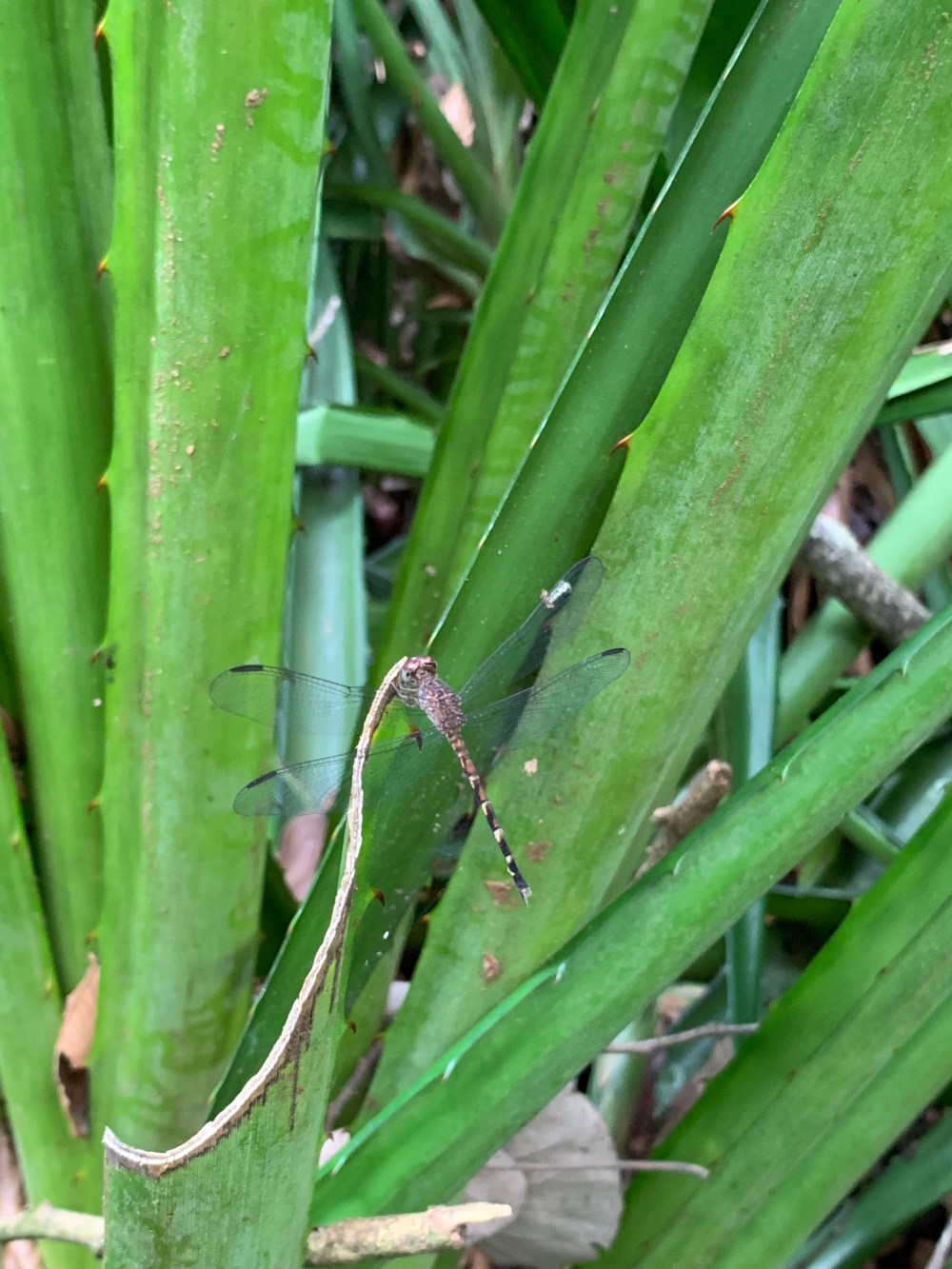
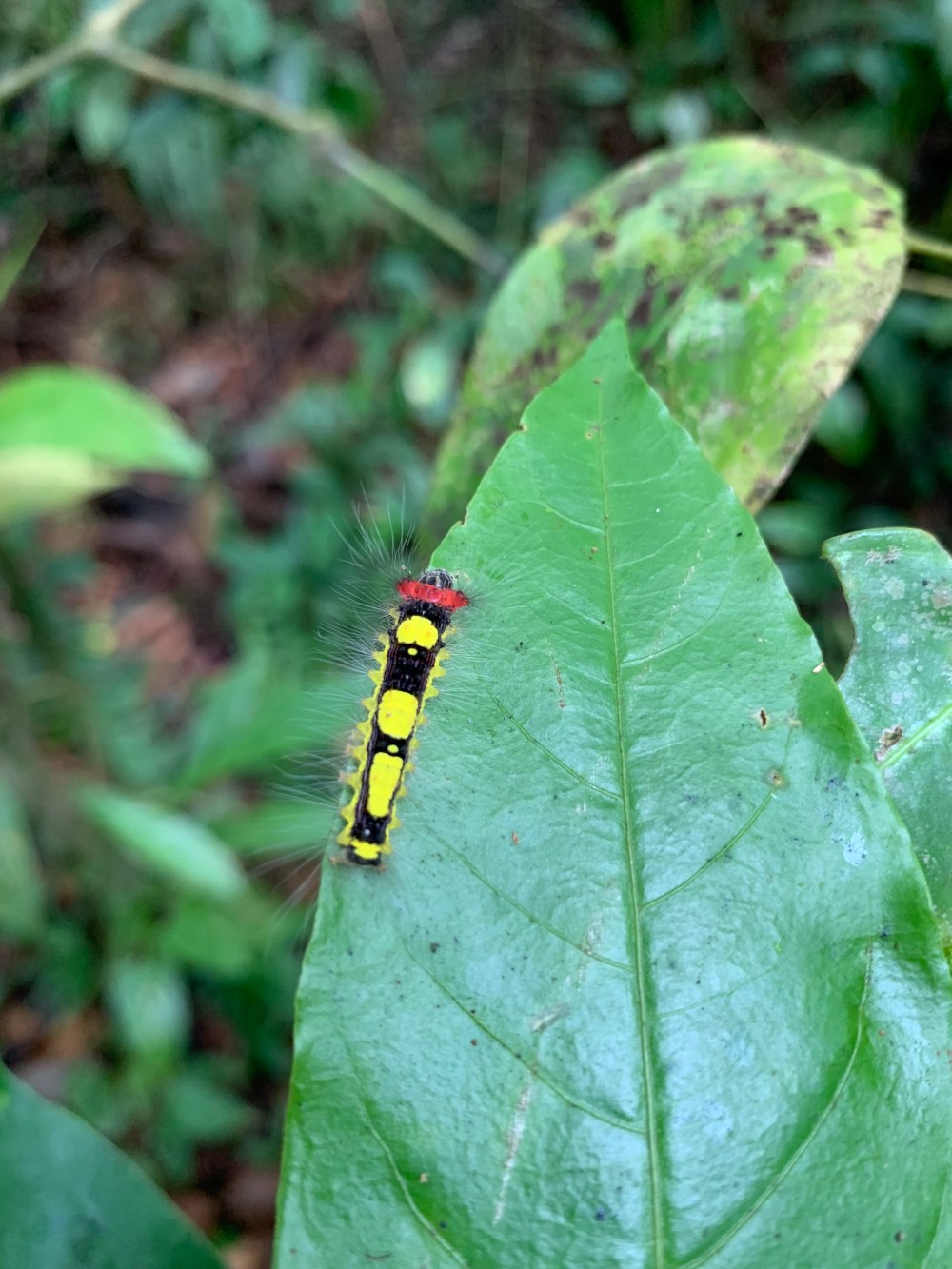
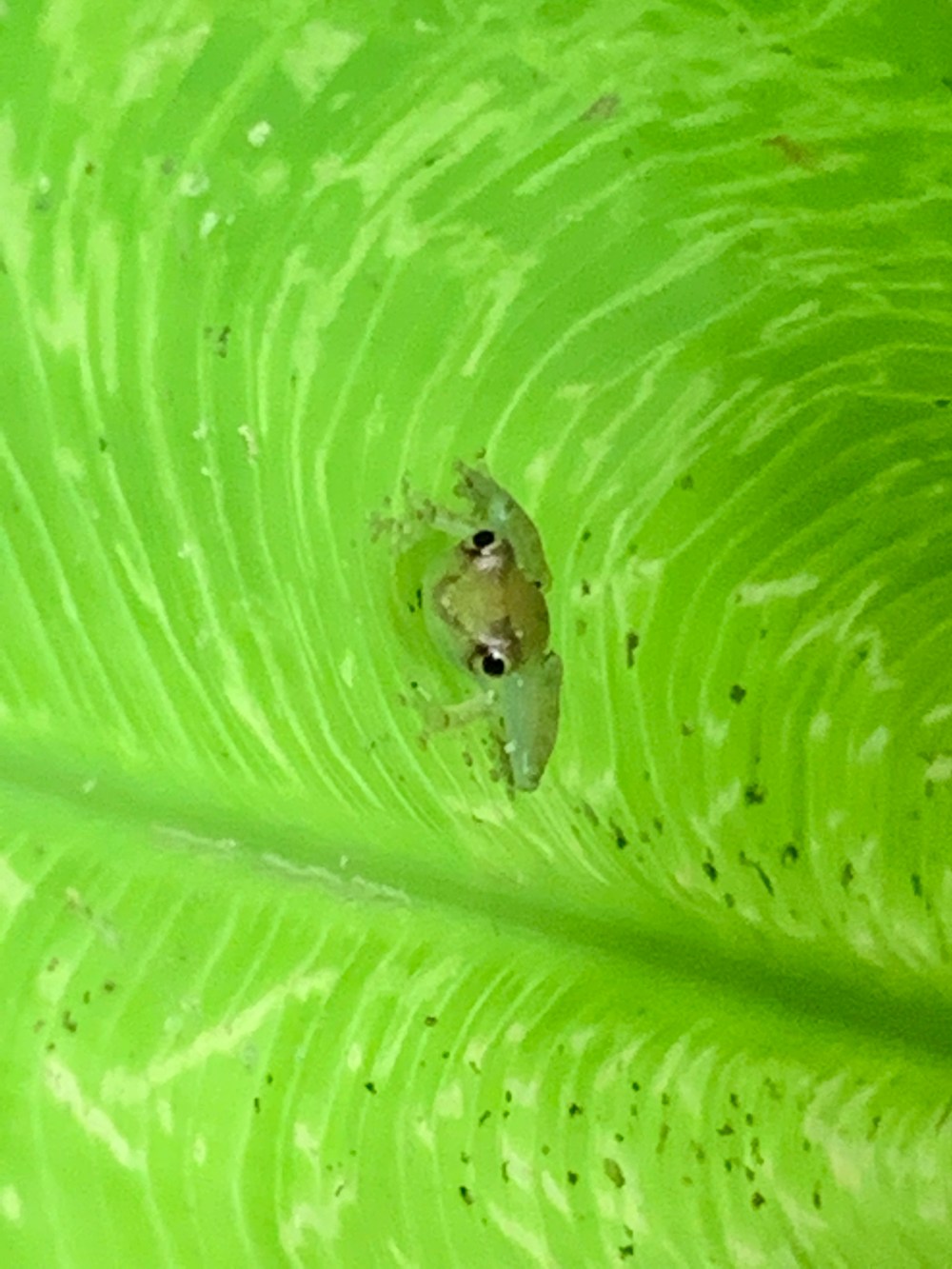
Sometimes we had to look inside the leaves to see something…

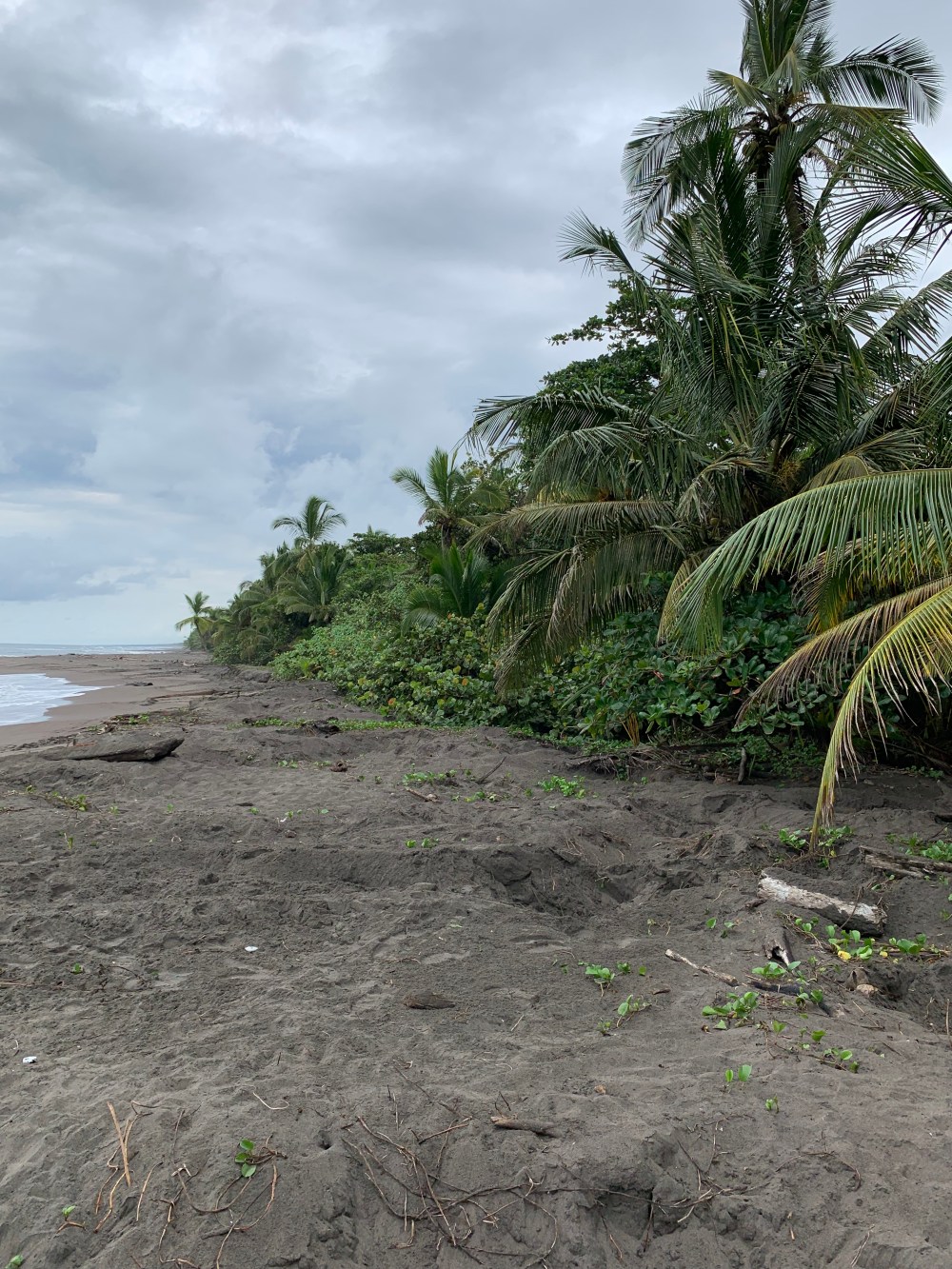
After a while we also reached the sea side of the National Park where we had not only a nice view but also saw some more animals.
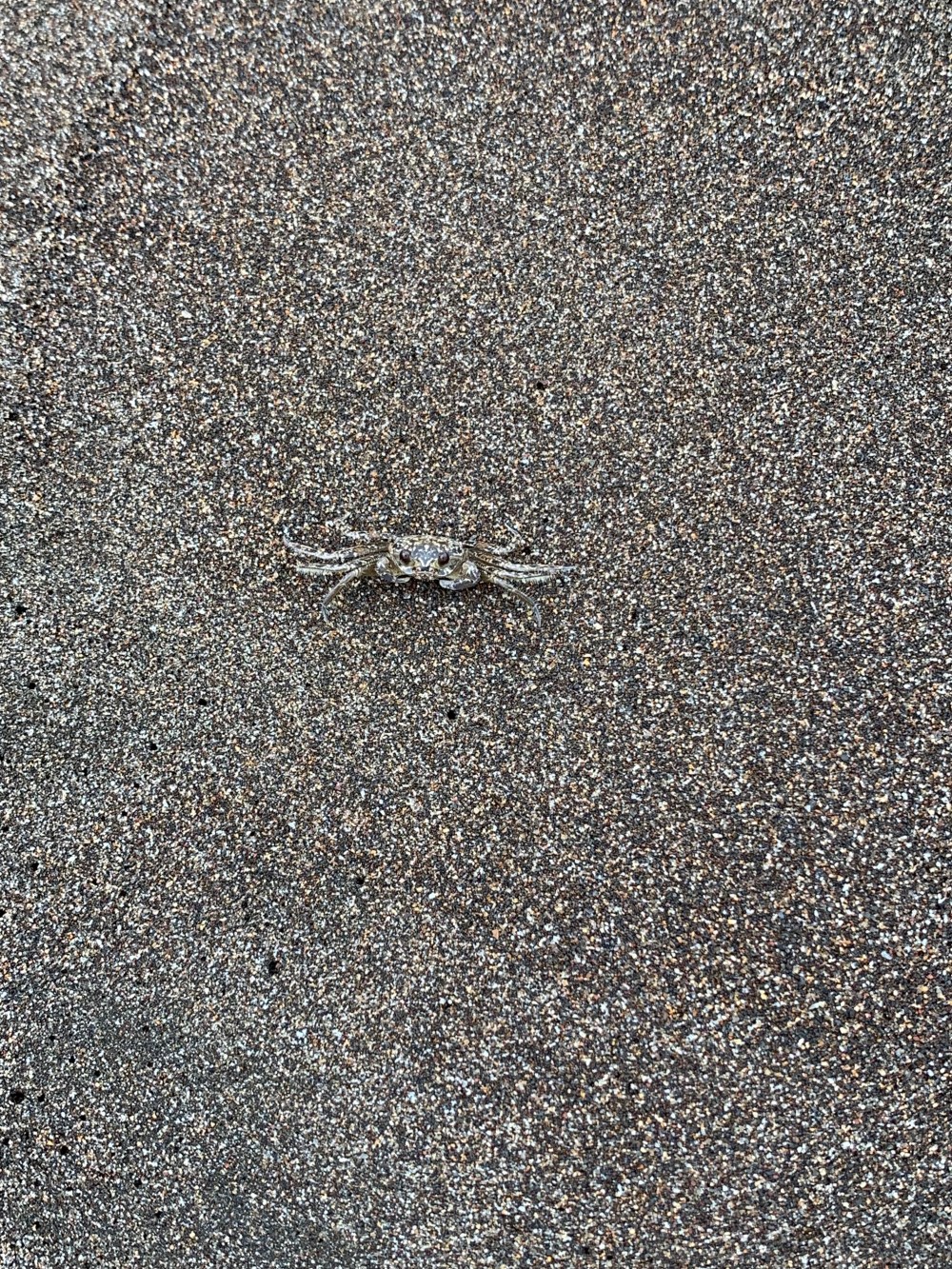
And beside that, we were able to see something else in the sand:
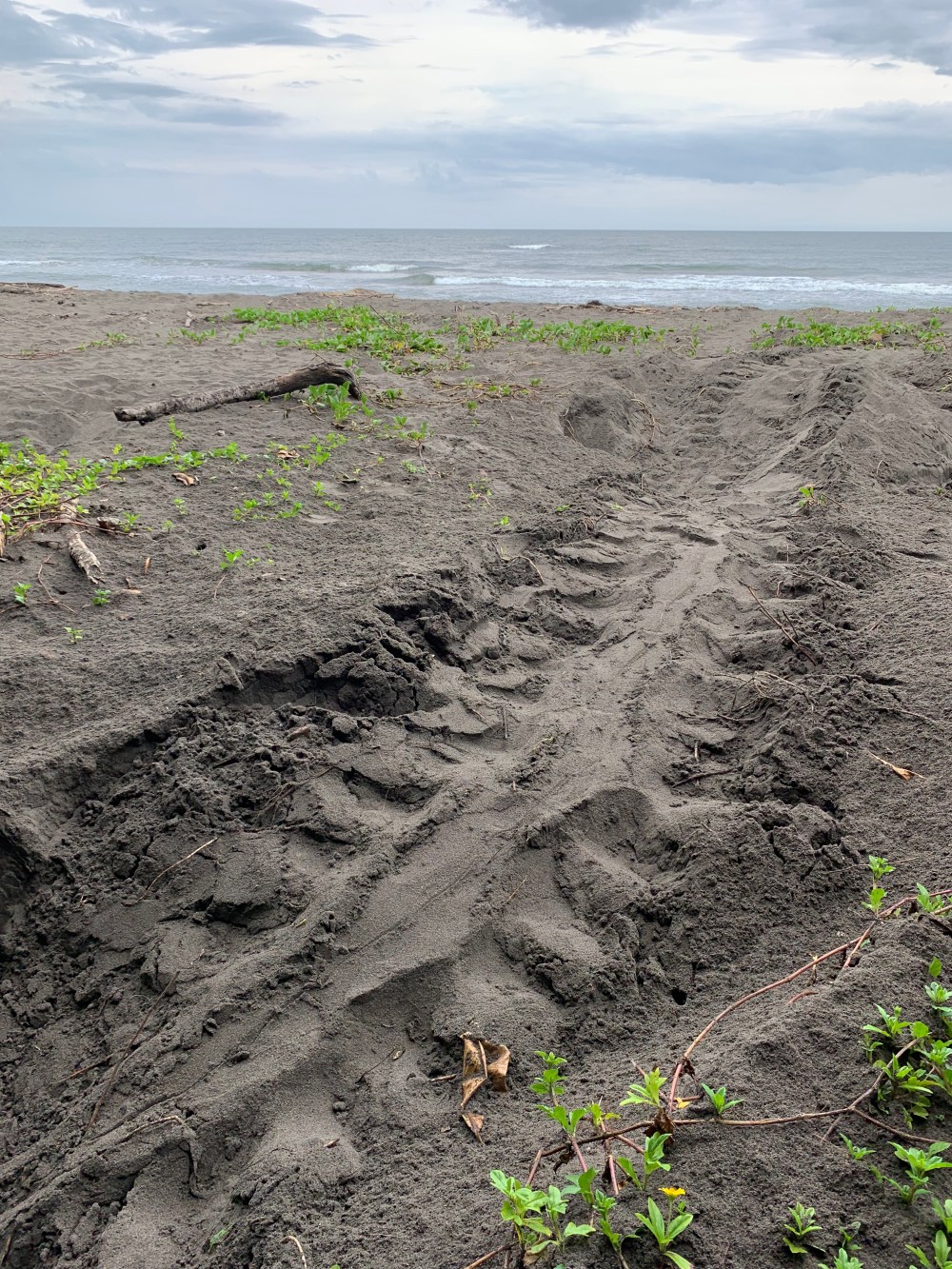
The tracks of the sea turtles and holes they dig to Ley their eggs inside.
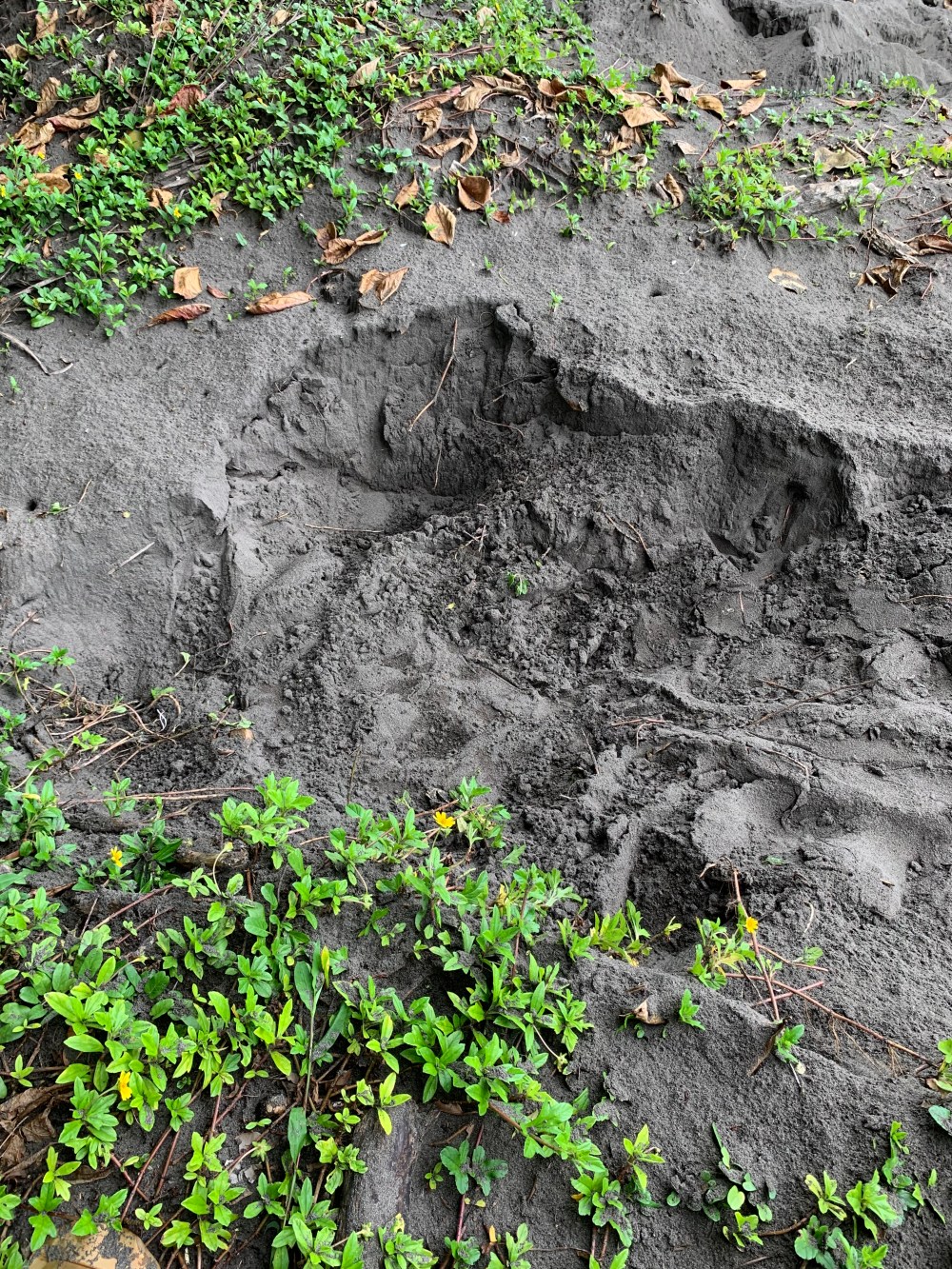
Tortuguero is one of the most important places for the nesting of green sea turtles. Seeing their nesting tracks we didn‘t know that later on this should become a greater meaning to us.
Back to the bungalows we searched for some more animals in the „forest“ area next to the paths which lead to the different bungalows. And we were successful in finding something in the dark:
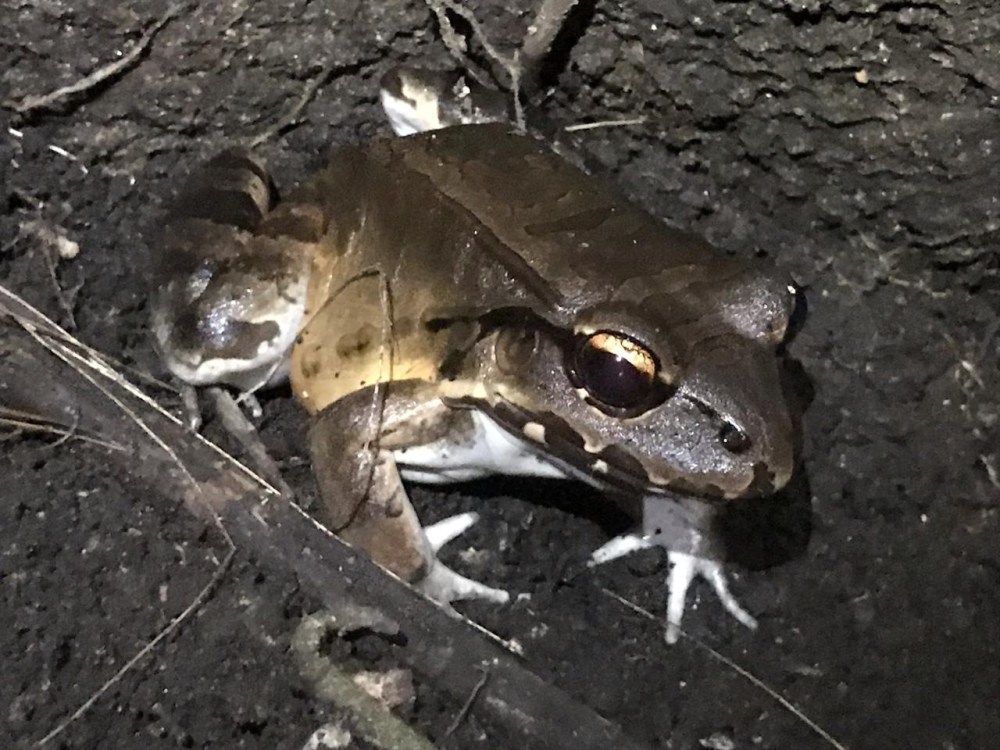
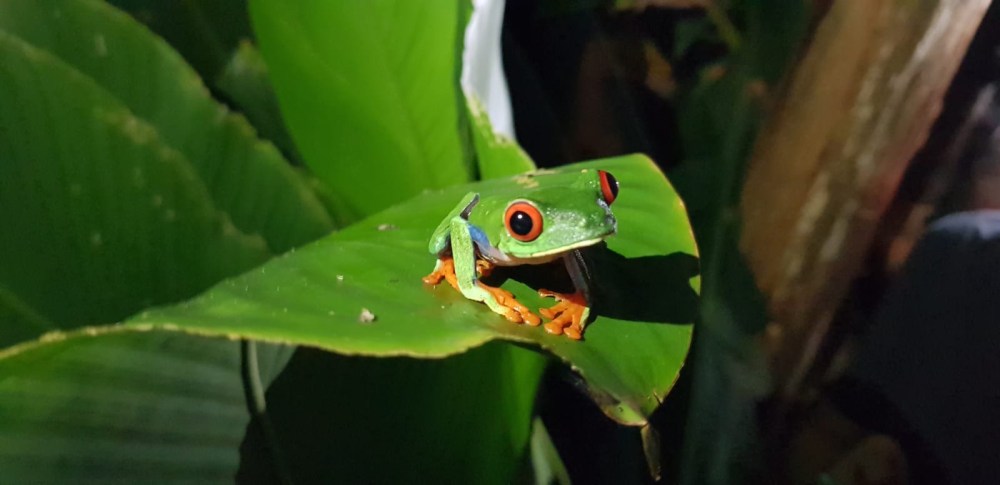
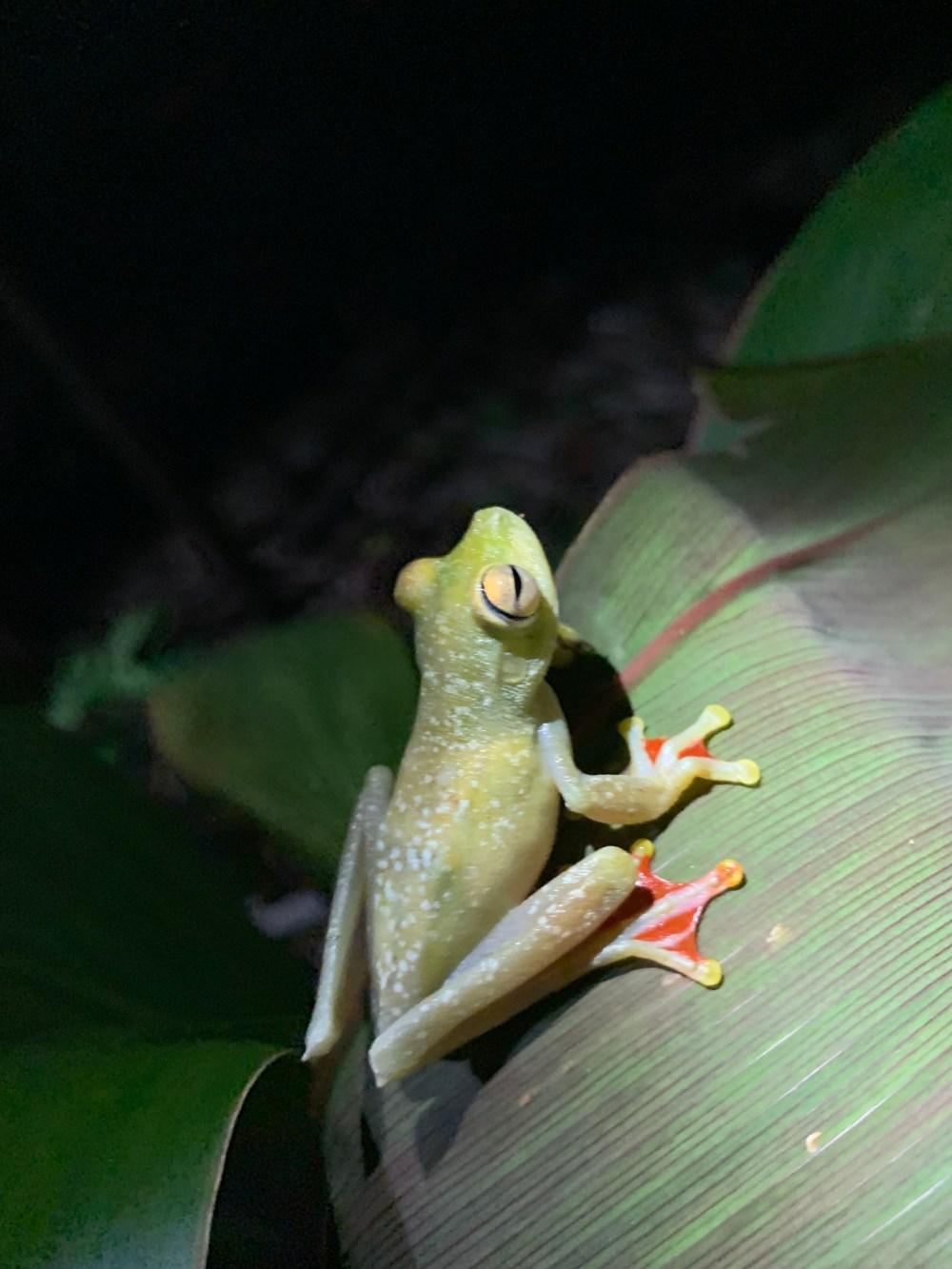
Later in the night we took a last boat trip to a special area of the National Park and needed to be very quiet there. In this area where no lights or cameras allowed because it would disturb the animals we were looking forward to see.
Very carefully we were allowed to get closer to one of the beauties laying their eggs in the sand.
To me it was one of the most impressive and fascinating animal experiences in my life, seeing the green sea turtle laying her eggs into the sand after digging a hole for it.
The only reason why we were allowed to get very close to the turtle laying her eggs into the sand is because of the trance sea turtles fall into while laying their eggs.
They do not recognise you once they started to lay their eggs.
In that night we saw five different green sea turtles which were even bigger than I expected them to be. With an average length of 1 – 1.4 m these turtles come out of the sea on the beach and search for a place to lay their eggs. Then they dig a relatively deep hole with their legs to finally turn around and start the actual laying process. After being finished they close the hole and return into the sea.
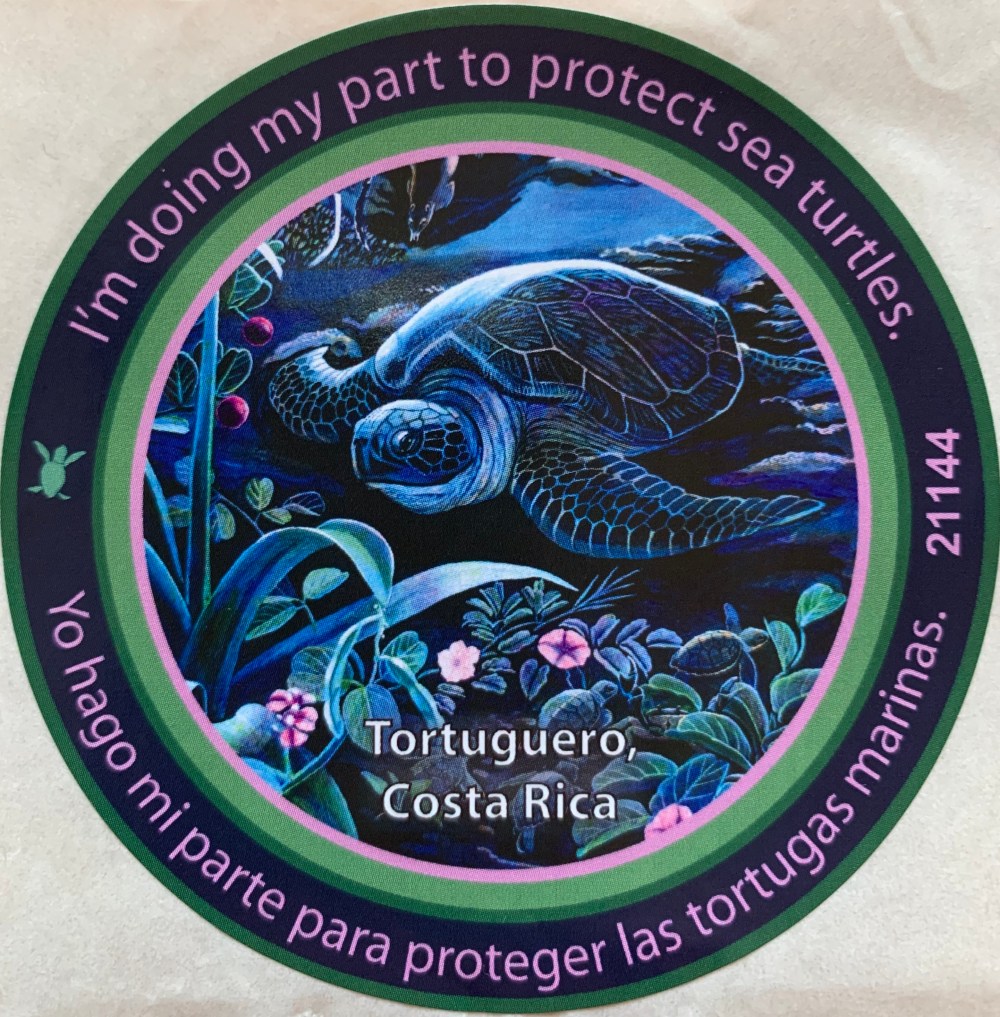
With the money we spent on that trip we supported the protection of the sea turtles and during our our whole observation the protection came always first.

When driving home to Heredia the following day I still couldn‘t believe that I have seen so many plants and animals which I had only heard of before. Beside tons of mosquito bites (it seems that they all chose me instead of others) I take a wild life experience with me that I will think about very often in the future.
 Far away from home
Gefällt mir total. Ich wünsche Dir weiterhin solche tollen Erlebnisse und freue mich, dass ich ein klitzekleinen Teil mit dabei sein konnte. Liebe Grüße Rosalie .freu mich auf den nächsten Bericht
LikeLiked by 1 person